
October 13, 2019
Empathize with your customer
Acknowledge, Appreciate, Appraise
What did it take to build a high-performing team?
I still remember the first time my manager acknowledged and appreciated my work. It was way back in 2015 when I joined my first company. Back then, we were losing customers and the agenda of the meeting was to boost customer confidence in us and retention was the single-point job description. Also, up-sell the next-gen application we just started building and how next-gen would bring tremendous value.
The holy birth of “AAA”
I was introduced to the existing customer as their new account executive. After a few minutes of introductions, there was an issue with the manager’s microphone and we couldn’t hear her. So, I got to jump in to steer the meeting and she was texting me talking points in a private window on what to talk to the customer. The call went well and we’re successful in making the customer trust us and not just that, we also bagged word-order for a new report. She left me a note immediately after the call saying “Venkat, you’ve done a great job and I am more confident in you than ever”

What could be more delightful after a tiring day than your manager acknowledge your work and appreciate your effort?
Baby steps of “AAA”
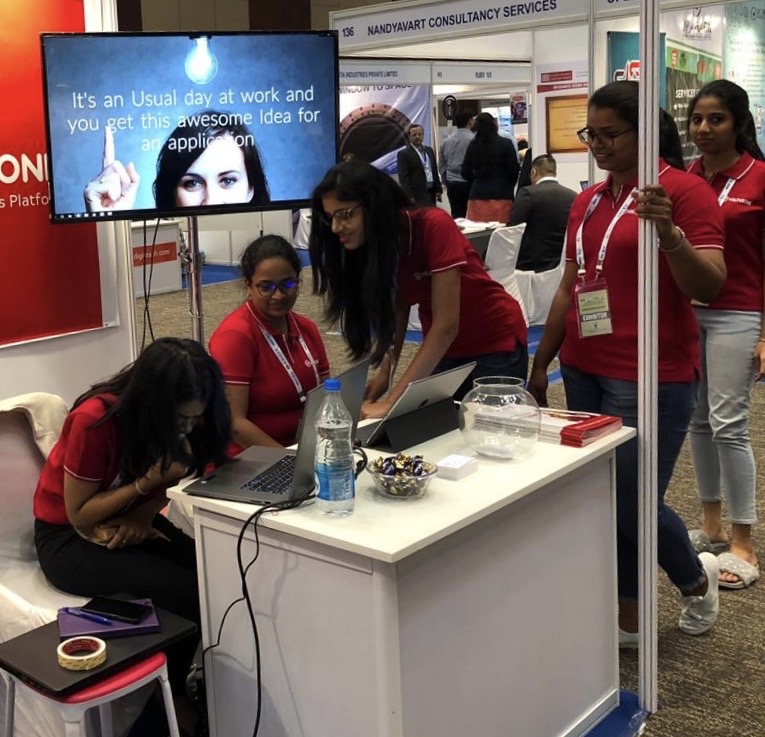
After two years of understanding and applying how motivating a manager’s pat on the back can be, my day has arrived to build a team from scratch as a co-founder. We’re developing a no-code app development platform and the idea is to enable business users to build web and mobile apps on their own making developers redundant.
So, to validate our vision, we came up with the idea of hiring freshers from different academic backgrounds to be our ace solutions developers. I would be lying if I don’t say the startup budget is also an influencing decision.
Now, I pulled out khaki trousers and formal shirts and turned into a 5th-grade school teacher, started training in the basics of data modeling, understanding and documenting customer requirements, capturing meeting minutes, and discovering and evaluating patterns available in the market for UI, platform features, and functionalities.
The days are always long, tiring, and exhausting. No matter how hard and smart we work, there’s so much backlog. It is very important to keep the team motivated and focused to achieve business objectives.
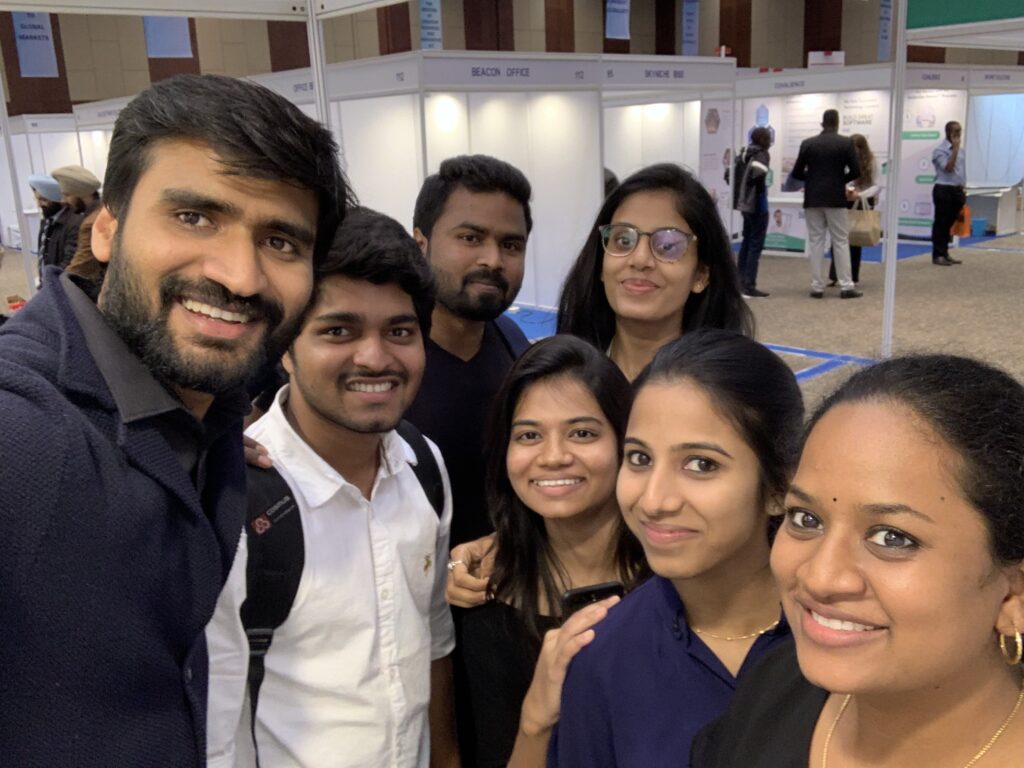
I made a decision for myself, that I shall spend as much time as possible with my team working along with them, whether it’s the head-start, filling in whenever necessary, being always available when they’re stuck, acknowledge every effort they put in and appreciate after a good job, both in verbal and written communication. As time went by, I could see results and they’re ready to take ownership and execute tasks on their own with a very little push and insights from my end
I realized this is high time to set up a process where the teams handling the clients were made owners of the client actions on the platform. If there is something that they could not handle, they would raise a flag to the Product/Tech team. It took some time for the teams to get conditioned to the new process because the client servicing teams were too used to tagging me on everything related to the product. However, with time things got better.
This helped me take out time for talking to customers, define the go-to-market strategy, try out new initiatives and track metrics on those initiatives, translate product feedback into patterns, keep track of the projects better, prioritize features and help the engineering team with the product backlog, and focus more on the selling, as I have a solid team to support customers.
Key takeaways from “AAA”
- It’s inevitable to make mistakes Never change your facial expression while they’re talking to you, no matter what news it is, let them finish. App crash or fire in the hole, or even if the sky is falling
- Train the team to think with data Before you come up with a solution, ask for their opinion and ask them to add evidence(data) to their gut feeling or a hypothesis, trust me this initiative will yield magical productivity
- Please do not micro-manage I know most of us deny to accept that he/she is micromanaging, but you’re not helping yourself or the team with this. One should know when not to handhold
- Focus on planning tangible goals The more time we spend on planning in breaking down goals into more quantifiable, and measurable units, the higher would be the team’s motivation.
- Practice signature relationships Apologize if you’re wrong. Invest time in building your “signature” practice in maintaining relationships with the team. Friendliness needs to be balanced with professionalism
- Advocate for the team strategically It is very important for a manager to find the right time and opportunity and advocate for the team’s recent performance with senior management constantly
- Learn, share, and excel Empower your team with new methodologies, technologies, market trends, and customer feedback. Provide them the freedom to execute their learnings to innovate and excel.
We have to make sure there are tremendous learnings and significant benefits for people working for you in the long run. This thought process would help in building a highly “collaborative, love to learn, and take ownership” culture.
Make sure appraisal is followed upon after all the acknowledgment and appreciation you showered upon. End of the day, It is not just only credit and learning they deserve, cash has to be followed as well…
In no time, Constant acknowledgment, prompt appreciation, and transparent appraisal turn teams into high-performing winning nucleus teams.
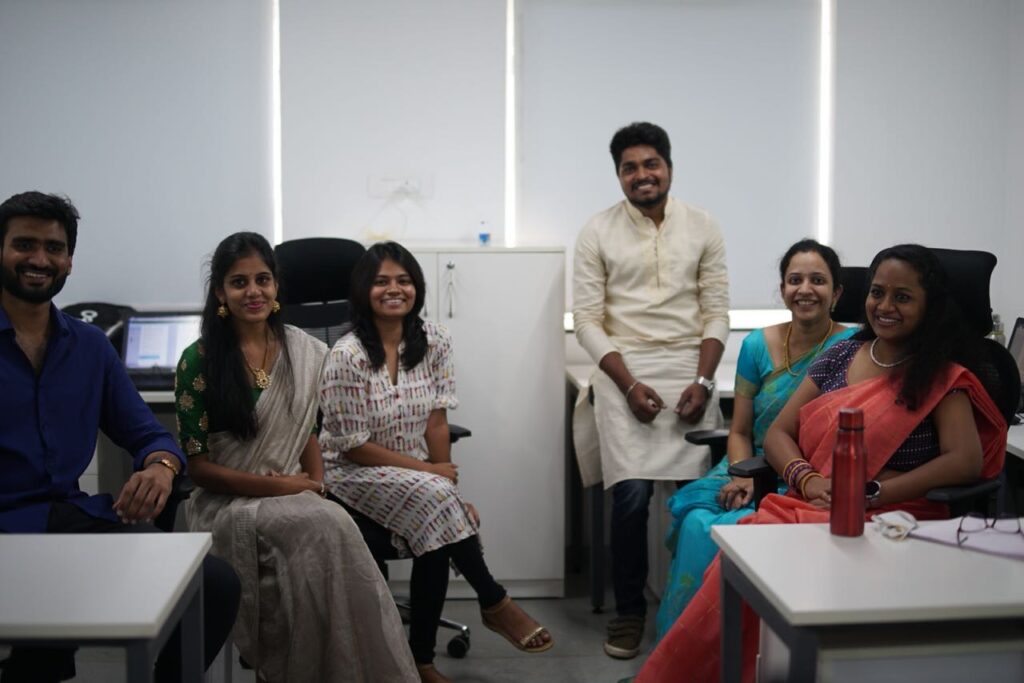
I feel my greatest learning from this is not just building a great team, but changing the perception of how teams should be built. From once being called “a young and naive manager” to being referred to as a “game-changer” by leadership looking at the ROI, makes the entire effort worth it