Client
Big Basket
Date:
04 June, 2020
Services:
Project Management, Business Requirements, Change Management, User Research
Talked a lot about what I can do, let me give you an overview on how I execute.
Background: An industry-leading online grocery business offering B2B and B2C grocery deliveries across India. Bigbasket, which is at the forefront of this e-grocery revolution, currently has operations in 25+ cities with over 15,000+ products on its platform.
Challenge: Bigbasket has grown to a customer base of over 10 million in less than seven years. The growing customer orders resulted in upsizing procurement, maintenance, and transportation. Shipments must move faster than ever between warehouses to accommodate customer’s orders. This demanded a greater fleet capacity.
Now, with the increase in fleet capacity existing manual processes do not match the growth mandate and the operations team has a short planning time to schedule trips and utilize available fleet efficiently. This short time frame requires decision-making capabilities far more substantial than human intuition.
- Utilization: Unplanned schedule hindering fleet capacity utilization.
- Visibility: Unclear vehicle/trip visibility effecting operations
- Delays: Unexpected incidents effecting shipment deliveries
Objective/Goals:
- The main objective of this solution is to maximize fleet utilization to 90% for both FTL(Full-truckload) and LTL (Less-than-truckload).
- The ability of an outbound manager to schedule trips based on the order indents, vehicle availability, and utilization, and reduce TAT.
- Keep track of the movement of returnable assets (crates, pallets, bags, boxes, etc.) and plugin revenue leakages in missing assets.
- A custom dispatch and receiving workflow involving all the respective stakeholders in minimizing the delays.
Discovery/Research: I always believe every product design should start with a competitive landscape and pain point analysis. Here are a few pieces of research that helped me decide the direction for this design.
Market Analysis
- Hub and spoke network design for the inbound supply chain
- Manual route planning is hurting your delivery business
- Shifting patterns – The future of logistics industry
- Ultra-efficiency or digital disruption – Planning for the future of fleets
- From first mile to last mile – Global industrial and logistics trends
Competitor Analysis
- Locus – Logistics planning and optimization software
- Onfleet – Logistics management and route optimization software
- Fareye – Logistics SaaS platform for predictive visibility
- Rivigo – Online logistics marketplace
- Blackbuck – India’s largest trucking platform
First Thoughts
I spent time with each, and every stakeholder involved in the process, the way they conduct their business, understood the shuffling paperwork they undergo, and productivity tools being used to capture their daily operations. Now, the best place to start is empowering the outbound manager with full visibility of a day’s trip schedule, vehicle utilization, and the orders to be accommodated in on single snapshot. This was a logical place to start.
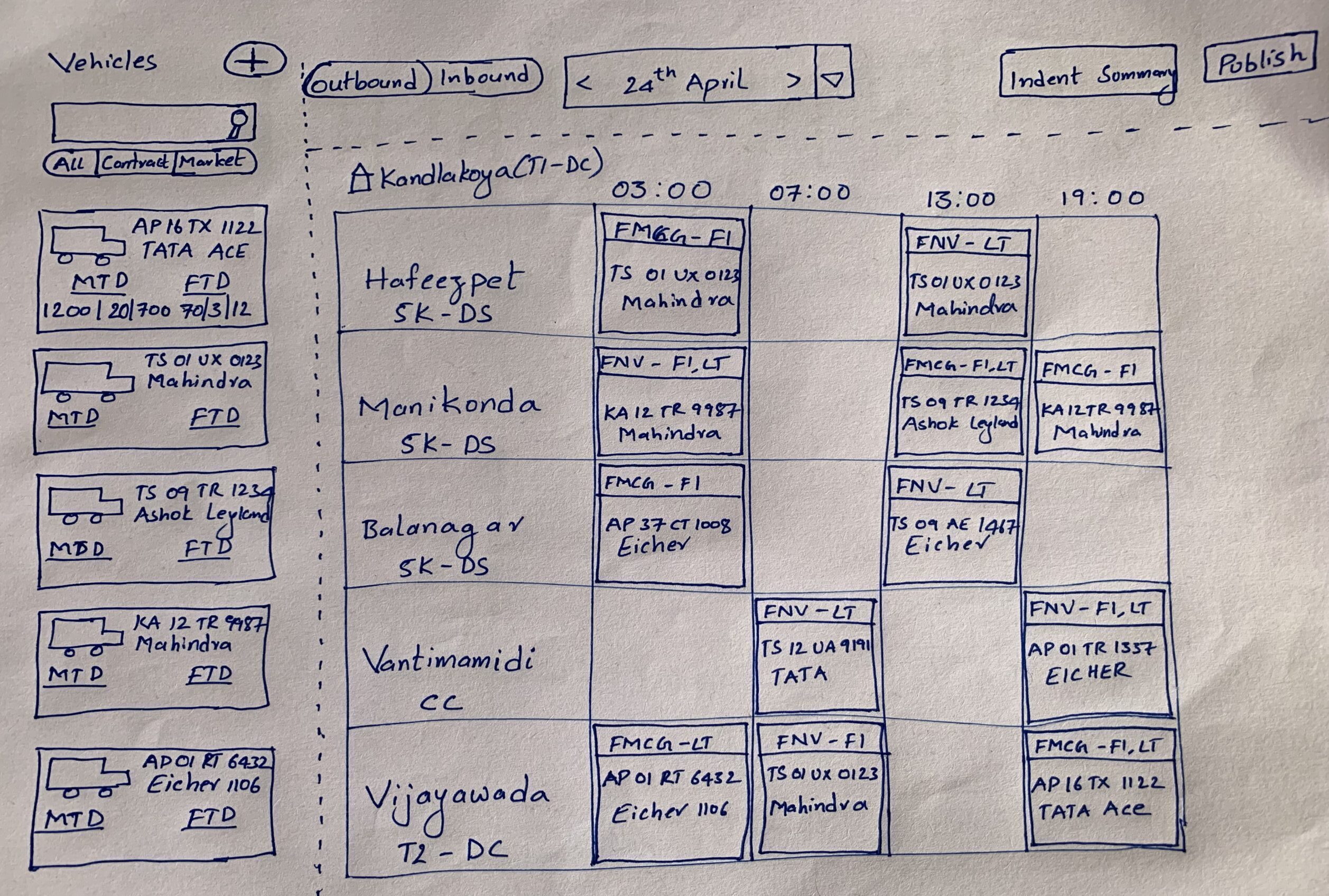
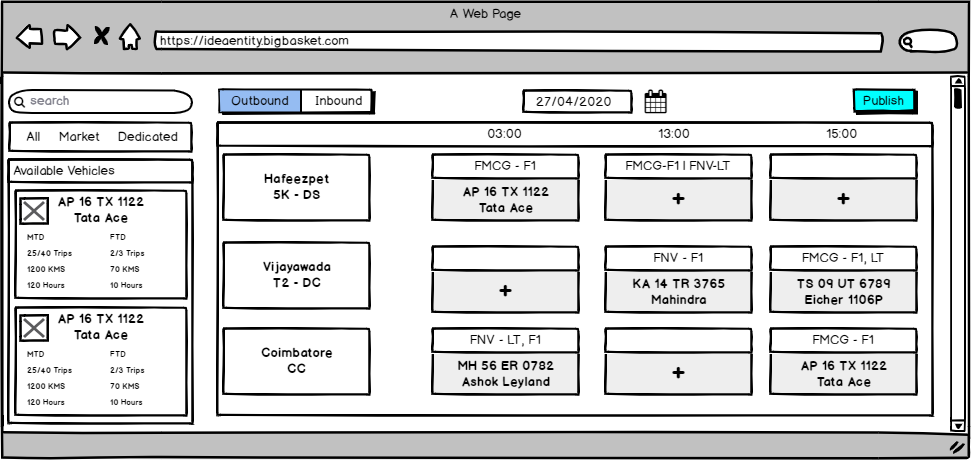
Wireframe for UX designer
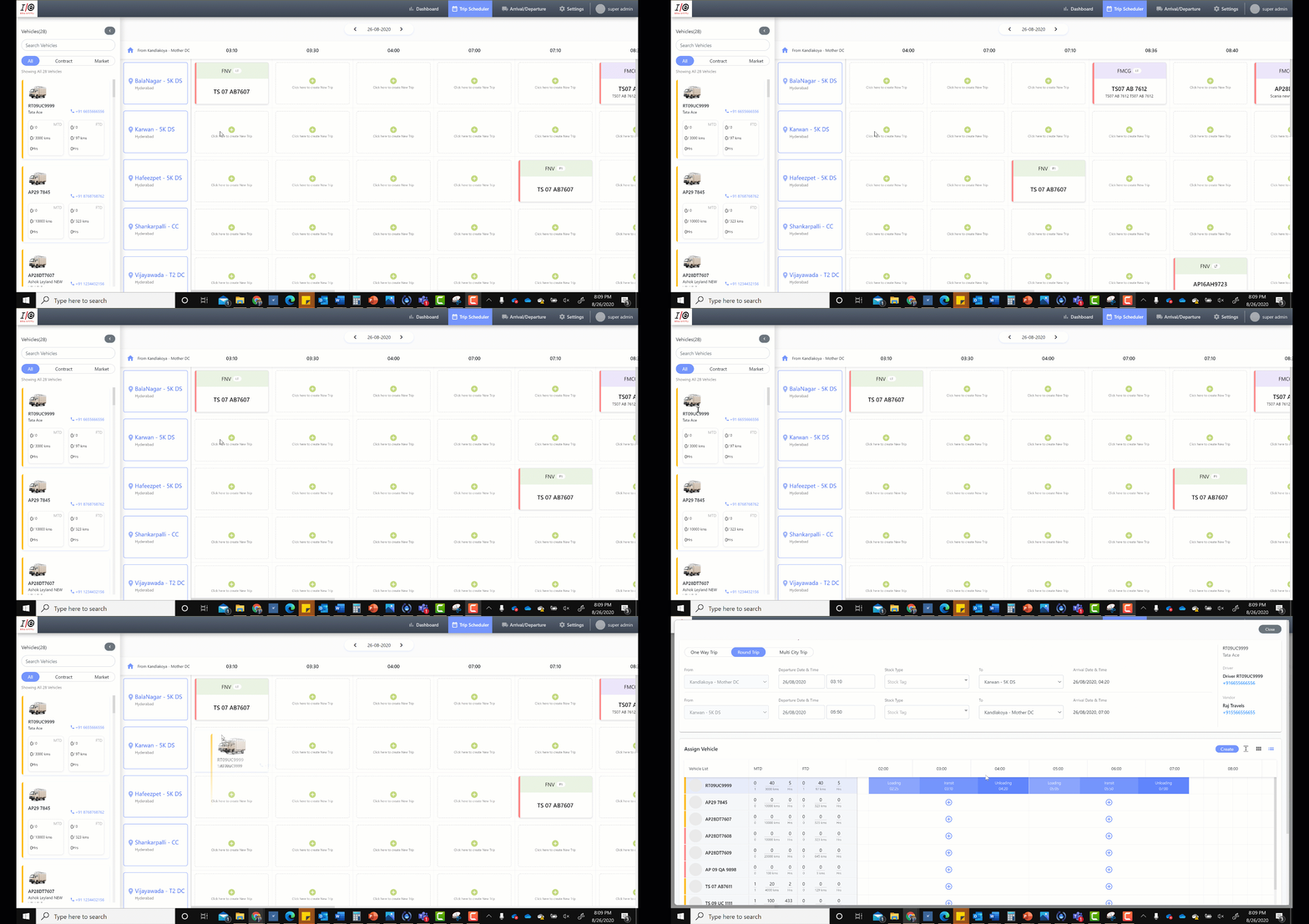
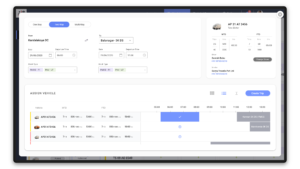
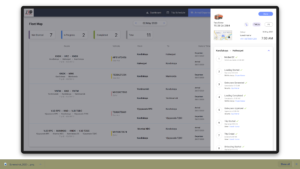
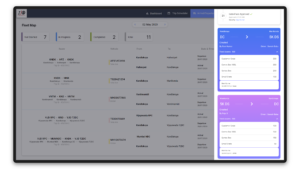
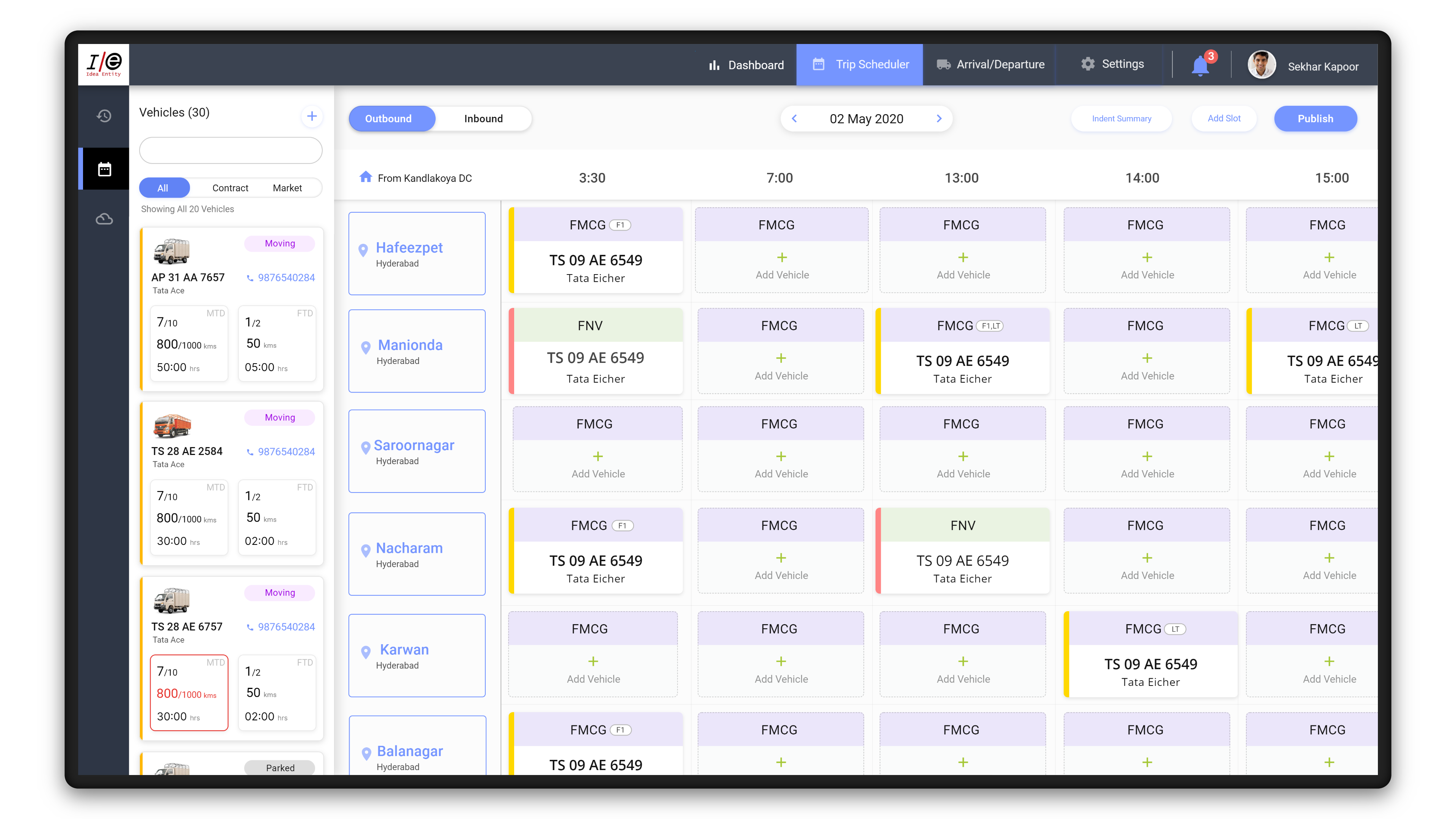
Once I got the high-level picture of the end-goal, developed a wireframe for UX designer to work on a high fidelity mockup. I iterated through a few designs that would complement the concept of a panoramic view of business operations conveying the intent to end-user simple, yet powerful. Using horizontal/vertical UI/UX scrolling patterns, drag-and-drop vehicle, full overlay screen for detail page not losing the context and a Gantt chart for vehicle availability brought the full visibility helping the end-user achieve his goal. Then, we created a stunning interactive prototype using framer and Adobe CC and validated with the customer in our direction.
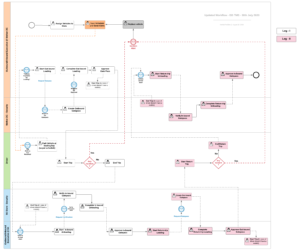
Define process flow and customer journey
Identify user touch-points, understand the current process, and design process flow using BPMN. This schematic representation will help customers to able to relate with their process to the recommended workflow and it would be a great instrument to consult and suggest process changes for the extract maximum ROI from this digital initiative. Upon confirmation, we shall discuss on the agreed workflow with the engineering team and define the business logic and rules to arrive at the target application. The next logical step would be to work with the QA team to build test cases – functionality, usability, performance, security, database, and UAT.
Delivery roadmap and delivery timelines
Chalk out a detailed roadmap and prioritize feature list on product feature-advantage-benefit (FAB) analysis. Slice and dice the features and functionalities into logical closures and divide deliverables into multiple UAT releases. The faster we release and validate with the customer, the higher the probability of product success

End Goal
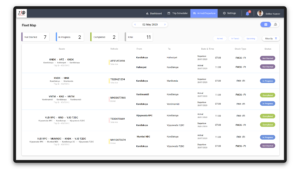
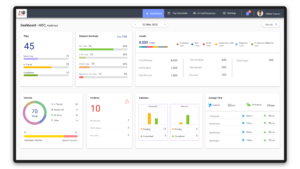
The end product after multiple back-and-forths, which gives a seamless experience to the outbound manager to schedule trips, maximize vehicle utilization, solid dispatch and receiving workflow, full-blown audit trail, transparent assets movement, proactive location, and workflow-based user alerts and real-time reports.